
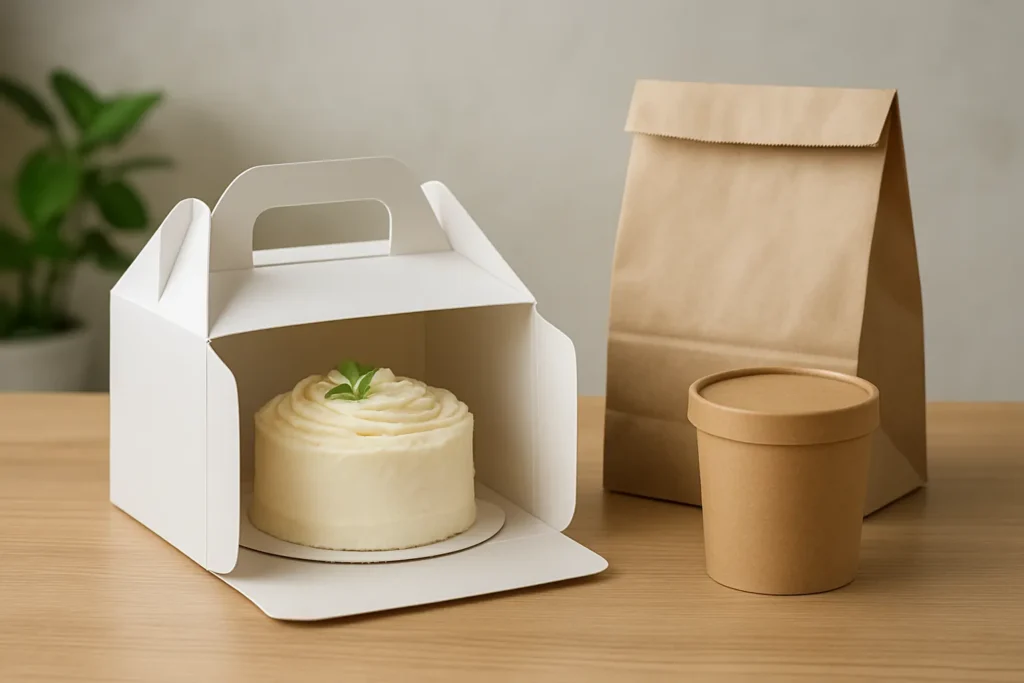
Importance of Eco-Friendly Cake Packaging for Bakeries
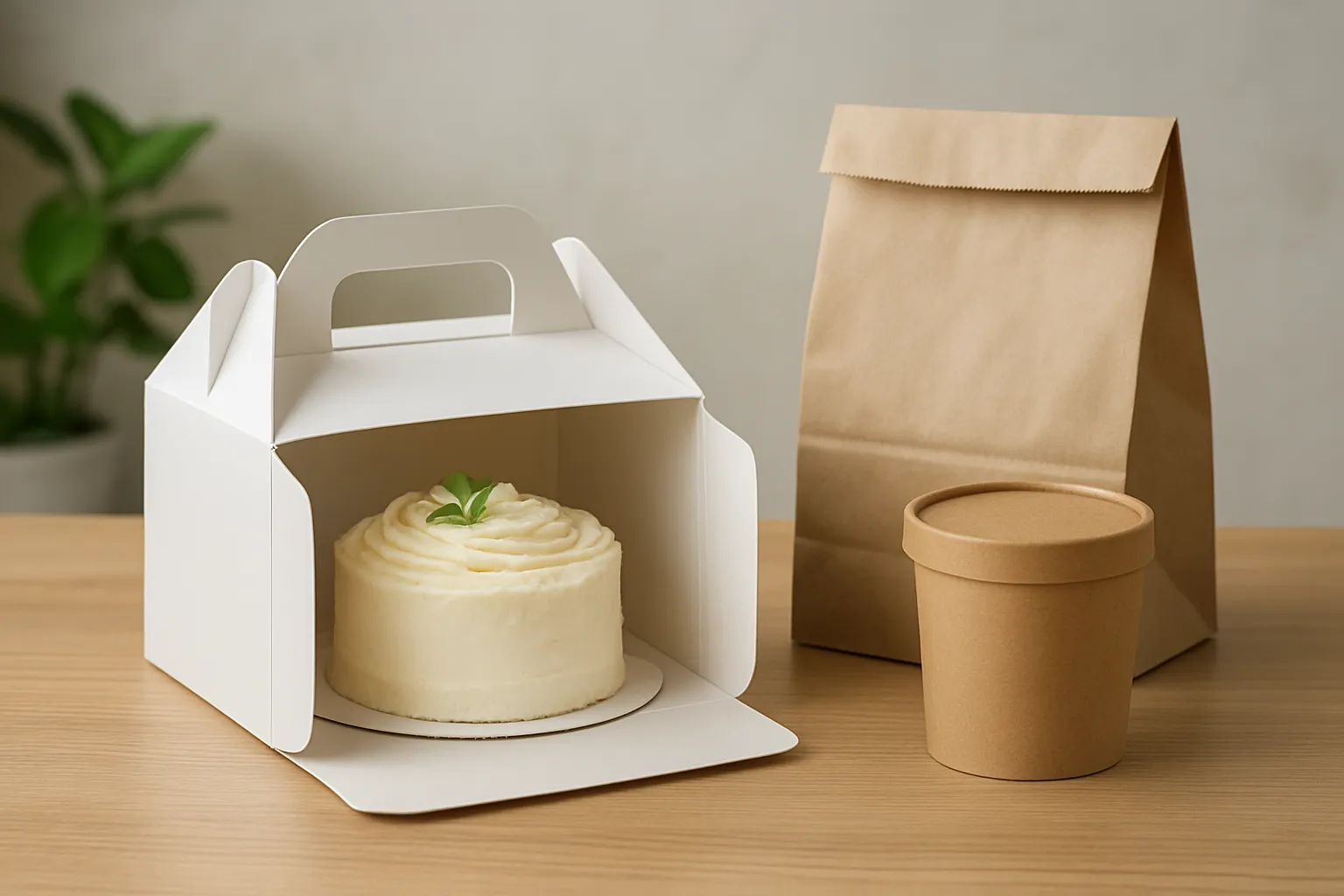
In recent years, the significance of eco-friendly cake packaging has become a prominent topic within consumer discussions, especially in the food industry. As awareness of environmental issues continues to rise, businesses are actively seeking ways to lessen their ecological impact. From my experience, one effective strategy for bakeries is to implement eco-friendly cake packaging. This approach not only aligns with sustainability goals but also resonates with environmentally conscious consumers, ultimately enhancing brand loyalty and expanding market reach.
Eco-friendly cake packaging includes a variety of materials and designs that prioritize environmental sustainability while ensuring that baked goods stay fresh and visually appealing. By opting for eco-friendly bakery packaging solutions, businesses can contribute to a healthier planet while meeting the evolving expectations of their customers.
Specifications of Eco-Friendly Cake Packaging
Eco-friendly cake packaging is defined by its use of sustainable materials that reduce environmental impact. Common materials include biodegradable plastics, recycled paper, and compostable options. These materials not only decompose more easily in landfills but often originate from renewable sources. This makes them a responsible choice for bakeries aiming to minimize waste.
When selecting eco-friendly packaging, it’s crucial to consider certifications and standards. Look for products that have recognized environmental certifications such as FSC (Forest Stewardship Council) for paper products or ASTM D6400 for compostability. These certifications assure that the materials used in the packaging are sourced sustainably and meet specific environmental criteria.
Use Cases for Eco-Friendly Cake Packaging
Eco-friendly cake packaging is particularly well-suited for a range of bakery products. Cakes, pastries, and cupcakes can all benefit from sustainable packaging solutions that not only protect the product but also enhance its presentation. For instance, using biodegradable cake boxes or compostable cupcake liners can elevate the customer experience while showcasing a brand’s commitment to sustainability.
Consumer preferences are increasingly leaning towards eco-friendly products. Research indicates that a significant number of customers are willing to pay a premium for products packaged in environmentally friendly materials. This trend presents bakeries with a valuable opportunity to distinguish themselves in a crowded market by adopting eco-friendly packaging solutions that cater to this growing demographic.
Comparisons with Traditional Packaging
When comparing eco-friendly cake packaging to traditional options, the environmental impact is a critical consideration. Traditional packaging materials, often made from non-biodegradable plastics, significantly contribute to landfill waste and pollution. In contrast, eco-friendly options are crafted to minimize waste and reduce carbon footprints, supporting a more sustainable future.
Cost analysis is another vital aspect to consider. While eco-friendly packaging may seem more expensive than traditional options at first glance, the long-term benefits often outweigh the costs. Many bakeries discover that customers are willing to pay a bit more for sustainably packaged products, leading to increased sales. Furthermore, as demand for eco-friendly packaging rises, prices for these materials are expected to decrease, making them more accessible for bakeries of all sizes.
Sourcing Eco-Friendly Cake Packaging
Finding reliable suppliers of eco-friendly cake packaging is essential for bakeries looking to make the transition. Numerous companies specialize in sustainable packaging solutions, offering a variety of products tailored to the needs of bakeries. Online marketplaces, industry trade shows, and packaging suppliers’ catalogs are excellent resources for discovering innovative eco-friendly options.
When evaluating suppliers, consider factors such as their commitment to sustainability, product certifications, and customer reviews. A reputable supplier will provide transparency regarding their sourcing practices and the environmental impact of their products, ensuring that bakeries can trust the materials they choose to use.
Implementation Strategies
Transitioning to eco-friendly packaging requires thoughtful planning and execution. Bakeries can start by gradually introducing eco-friendly options alongside traditional packaging. This allows customers to adapt to the change. This phased approach can effectively manage costs and inventory while gauging customer responses.
Training staff on new packaging solutions is vital. Employees should understand the benefits of eco-friendly packaging and how to use it effectively to enhance customer interactions. Providing training sessions and resources can ensure that the transition is smooth and that all team members align with the bakery’s sustainability goals.
Frequently Asked Questions
What makes packaging eco-friendly? Eco-friendly packaging is made from materials that are biodegradable, recyclable, or compostable, which reduces environmental impact and promotes sustainability.
How can I ensure packaging is truly sustainable? To ensure packaging is genuinely sustainable, look for third-party certifications, verify the sourcing of materials, and assess the lifecycle of the packaging from production to disposal.
In conclusion, adopting eco-friendly cake packaging provides numerous advantages for bakeries, ranging from enhancing brand image to meeting consumer demand for sustainable products. By investing in eco-friendly bakery packaging solutions, businesses can contribute to environmental conservation while positioning themselves as leaders in an increasingly eco-conscious market. For further insights, you can refer to this industry reference on eco-friendly packaging practices.